Stop Kids From Hitting: Positive Discipline That Works
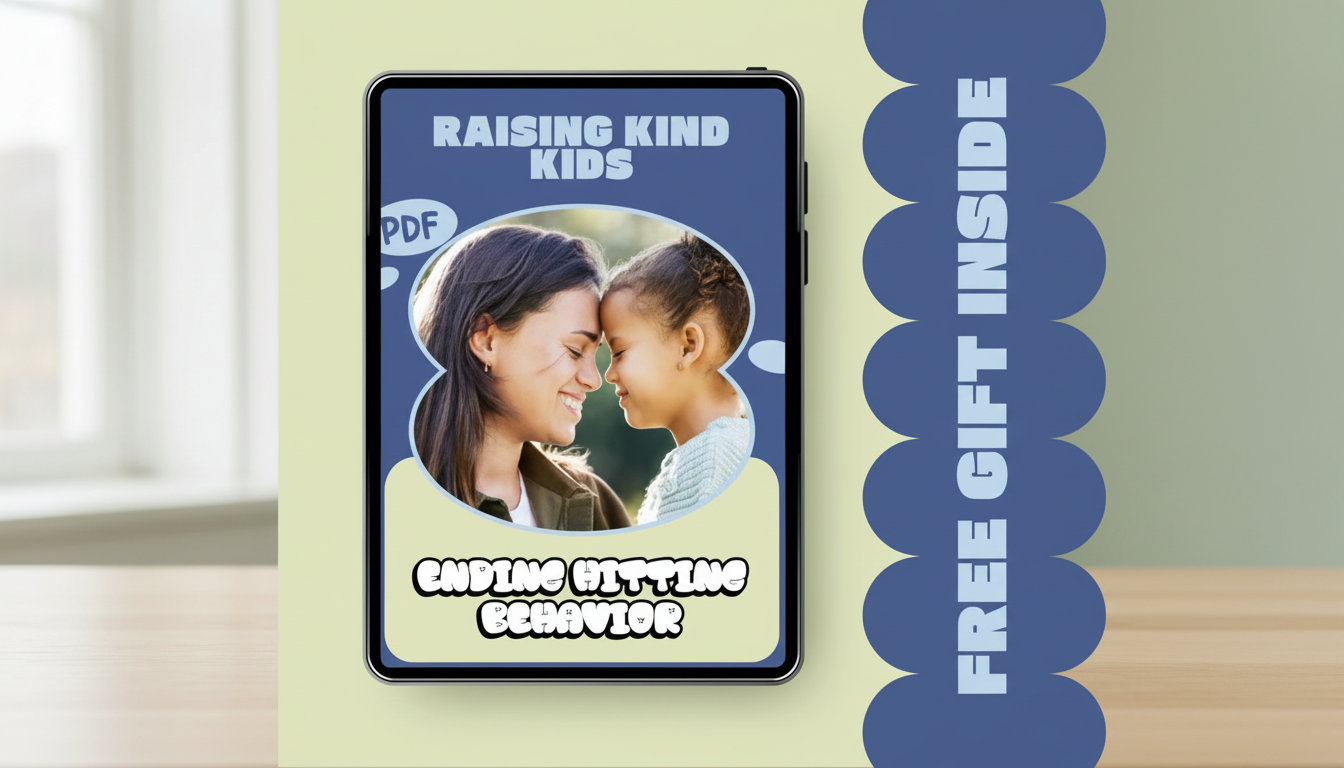
Raising Kind Kids: Ending Hitting Behavior With Positive Discipline
Hitting can show up when children feel overwhelmed, frustrated, tired, or unsure how to get their needs met. The goal is to stop the behavior while protecting everyone’s safety and also teaching better skills for next time. Positive discipline focuses on clear limits, calm follow-through, and coaching emotional and social skills—so children learn what to do instead of hitting, not just what not to do.
Why hitting happens (and what it’s really communicating)
Hitting is usually a signal, not a character trait. Many kids hit when their emotions outpace their ability to control impulses or explain what they need.
- Common drivers: big feelings, low impulse control, transitions, competition for attention, sensory overload, hunger, and fatigue.
- Development matters: toddlers often lack language and self-control; preschoolers may struggle with sharing and waiting; older kids may hit during conflict or when feeling powerless.
- Look for patterns: time of day, sibling dynamics, certain environments (crowds, screens, errands), or specific triggers (being told “no,” toys being taken).
- Separate the child from the behavior: hitting isn’t “who they are”; it’s a skill gap and a regulation problem that can be taught.
Helpful, research-aligned guidance on child behavior and discipline is available through American Academy of Pediatrics (HealthyChildren.org) and the CDC’s Essentials for Parenting Toddlers and Preschoolers.
Safety first: what to do in the moment (without escalating)
When a hit happens, your job is to stop harm quickly and calmly. Big lectures during peak emotion often backfire because a dysregulated child can’t absorb reasoning yet.
- Stop the action immediately and neutrally: move between kids, gently hold hands if needed, or increase distance—safety comes first.
- Use short, consistent language: “I won’t let you hit. Hitting hurts.”
- Attend to the hurt child first: model care and repair, and remove the “payoff” of attention from the hitting.
- Regulate before you reason: help the hitter calm (breathing, squeeze a pillow, stomp feet in a safe spot, sip water) before discussing what happened.
- Avoid shame and harsh punishment: labels like “bad” or retaliation teach fear, not skills.
| Moment | Adult goal | What to say | What to do |
|---|---|---|---|
| Right now (during hitting) | Stop harm and lower intensity | “I won’t let you hit.” | Block/step in, separate, check injuries, keep voice steady |
| Right after (still upset) | Co-regulate and reconnect | “You’re having a hard time. I’m here.” | Calm corner, breathing, sensory tool, quiet presence |
| Later (calm) | Teach skills and set a plan | “Next time, you can say ‘Stop’ or ask for help.” | Role-play, practice scripts, plan for triggers, reinforce progress |
Set clear limits that kids can understand
Clear limits reduce confusion and help kids feel secure, especially when emotions run high.
- Use simple rules stated positively: “Hands are for helping,” “We use gentle touch,” “Feet stay on the floor.”
- Make the limit predictable: repeat the same phrase each time so it becomes a cue the brain recognizes.
- Define boundaries with specifics: where bodies can be, what happens when hitting occurs (separation, reset, repair), and what alternatives are available.
- Follow through calmly every time: inconsistency trains testing; consistency builds safety.
- Match expectations to age: fewer words and more structure for toddlers; more collaborative problem-solving for older kids.
Teach replacement skills: what to do instead of hitting
Stopping hitting is only half the job. The lasting change comes from teaching a replacement response that works just as well (or better) for your child.
- Emotion words: practice naming feelings during calm moments (mad, frustrated, jealous, disappointed).
- Body signals: teach kids to notice early signs (tight fists, hot face, stomping) and act before the “point of no return.”
- Communication scripts: “Stop.” “I don’t like that.” “Can I have a turn when you’re done?” “Help, please.”
- Safe release options: rip paper, punch a pillow, push the wall, squeeze a stress ball, jump 10 times—clear “yes” options reduce forbidden impulses.
- Conflict tools: taking turns with a timer, trading, asking an adult to mediate, or moving to separate play areas.
- Practice through play: role-play common conflicts, use puppets, or rehearse a “redo” after a minor mistake.
Use consequences that teach (not punish)
Prevent the next hit: routines, triggers, and environment tweaks
For more family-focused resources on child behavior and parenting skills, the American Psychological Association’s parenting information can be a helpful starting point.
When hitting is frequent or intense: signs to get extra support
A practical guide for positive-discipline steps you can follow
- Look for tools that include: in-the-moment phrases, repair routines, prevention plans, and age-appropriate alternatives to hitting.
- For a focused, step-by-step approach, see Raising Kind Kids: Ending Hitting Behavior – A Practical Parenting eBook Guide on how to stop kids from hitting with Positive Discipline Strategies.
More digital reads from the shop
- Gucci Shopping Mistakes to Avoid: Buyer’s Checklist
- Why People Choose Fendi: The Ultimate Checklist for Understanding Luxury Fashion
FAQ
Is hitting normal for toddlers and preschoolers?
It’s common because impulse control and language are still developing, especially when kids are tired, hungry, or overwhelmed. “Common” doesn’t mean “allowed,” so respond with consistent safety limits while teaching words and calming strategies.
What should happen after my child hits their sibling?
Stop the harm, comfort the hurt child first, then help the hitter calm down with brief support and space. When everyone is calm, practice what to do next time, guide a repair (apology or kind action), and return to play only with a simple plan for gentle hands.
Should I use time-out when my child hits?
A brief separation can help as a calm-down when safety is an issue, but it works best when paired with co-regulation, teaching, and repair. Avoid long or shaming time-outs; the learning comes from practicing the replacement skill after the reset.















Leave a comment