Smoke-Light Teppanyaki Grill Tips for Family Nights
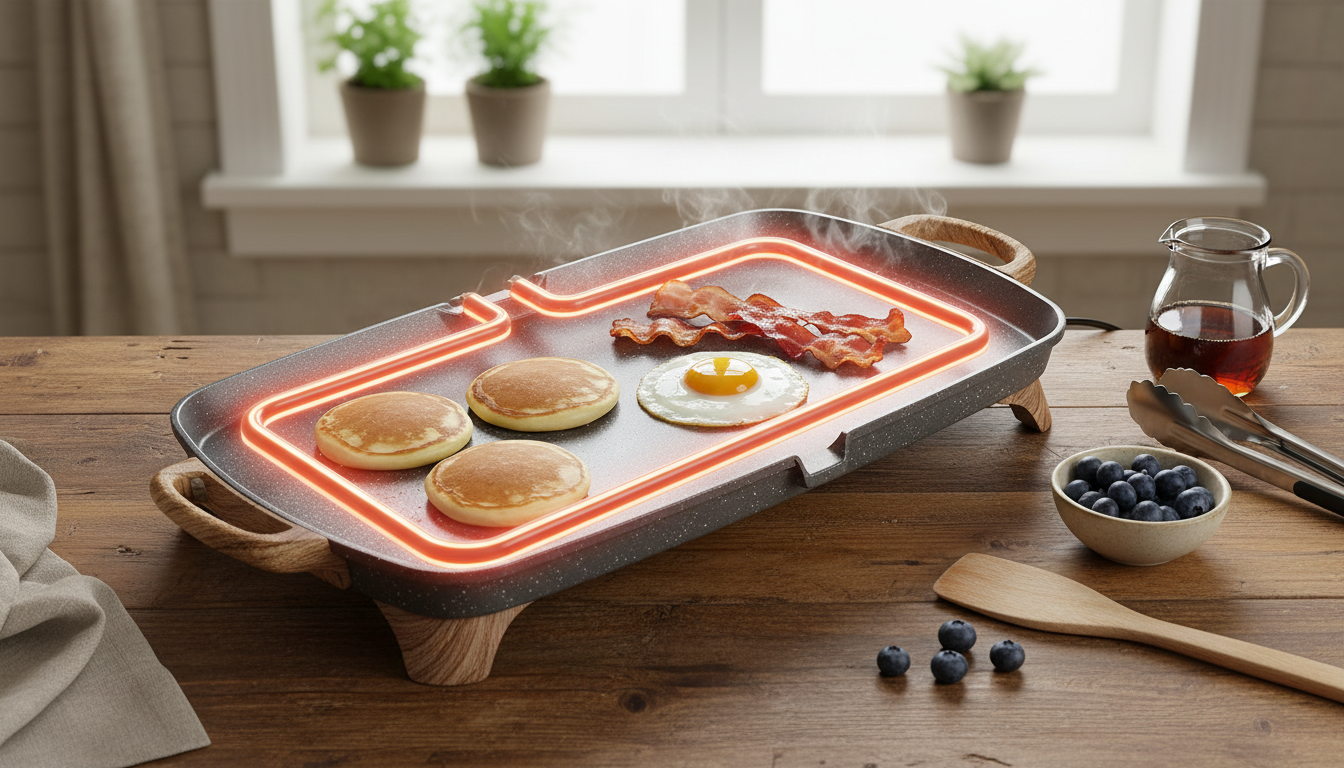
Electric Teppanyaki Grill for Smoke-Light Indoor Barbecue Nights and Family Gatherings
An electric teppanyaki grill brings the fun of tabletop cooking indoors with less smoke and fewer hassles than traditional grilling. For family gatherings, the right setup keeps food moving, makes cleanup easier, and helps everyone cook safely at the table. With a little planning—small portions, clear “zones,” and smart heat control—teppanyaki-style nights can feel like an event without turning the house into a haze.
What an Electric Teppanyaki Grill Does Well Indoors
The best part of teppanyaki at home is the shared, cook-together rhythm. Instead of one person stuck at the stove, everyone can sear, sauté, and warm foods on a single surface—then eat immediately while it’s still hot and crisp.
- Creates a communal meal where guests cook bite-size foods together at the table.
- Typically produces less smoke than charcoal or open-flame grilling, especially with moderate heat and leaner ingredients.
- Makes mixed menus easy: proteins on one side, vegetables or noodles on the other.
- Fits apartment living and winter hosting when outdoor grilling isn’t practical.
- Encourages smaller, faster-cooking pieces that flip quickly for groups.
Choosing the Right Size and Layout for a Family Table
For gatherings, surface area matters more than flashy maximum temperatures. A larger plate reduces wait time, prevents crowding at the edges, and helps keep raw and cooked foods separated.
- Match cooking surface area to group size so food doesn’t bottleneck.
- Look for a layout that naturally creates “zones”: a hot center for searing and slightly cooler edges for holding and finishing.
- Check the table footprint and cord reach so the grill sits centered and stable (no teetering at the corner).
- If kids are joining, prioritize space for a safer “cooler side” with closer supervision.
- Plan a serving flow: stage raw items away from cooked foods to reduce cross-contamination.
Heat Control That Makes Gatherings Easier
Reliable temperature control is what keeps teppanyaki nights smooth. Instead of cranking the dial and hoping for the best, use heat strategically: sear fast, then settle into a steadier pace.
- Prioritize predictable temperature control over maximum heat for family-style sessions.
- Use higher heat briefly to sear, then reduce heat to keep food moving without smoking.
- Cook by timing: start with foods that benefit from a hotter plate (thin beef, shrimp), then shift to vegetables and finishing sauces.
- Preheat fully before adding oil to improve browning and reduce sticking.
- Avoid overcrowding the surface; too much food can steam and release moisture that looks (and smells) like smoke.
Smoke-Light Cooking: Practical Techniques That Actually Help
“Smoke-free” is often shorthand for “smoke-light.” Real-world smoke depends on temperature, oil, fat content, and what’s burning on the surface. A few small habits make a big difference.
- Choose oils with appropriate smoke points and use a thin layer rather than pooling.
- Trim excess fat and pat proteins dry to reduce splatter and airborne grease.
- Save marinades and sugary sauces for the end; sugars darken quickly and can create more fumes.
- Vent the room: use a range hood, crack a window, and position the grill away from sensitive smoke detectors.
- Clean the surface between batches; burnt residue is a common cause of odor and haze.
For general kitchen safety reminders, the U.S. Consumer Product Safety Commission’s cooking safety guidance is a solid reference for preventing burns and reducing fire risks while hosting.
Easy Menus for a “Cook-As-You-Go” Table
Teppanyaki is easiest when everything cooks quickly and fits neatly on the plate. Think thin slices, small cubes, and vegetables that soften fast.
- Classic teppanyaki night: bite-size chicken, steak strips, shrimp, zucchini, onions, mushrooms, and fried rice cooked in stages.
- Breakfast-for-dinner: pancakes, eggs, bacon (watch splatter), and sautéed potatoes.
- Health-forward spread: salmon cubes, tofu, asparagus, bell peppers, and a lemon-garlic finishing sauce.
- Kid-friendly combo: mini burgers, hot dogs, corn, and simple noodles with butter and parmesan.
- Dessert finish: caramelized pineapple or bananas cooked briefly at lower heat to avoid scorching.
Batch Plan for a Smooth Family Grill Session
| Batch order | Foods to cook | Heat approach | Tips to keep the table tidy |
|---|---|---|---|
| 1 | Onions, mushrooms, firm vegetables | Medium-high preheat, then steady medium | Use a thin oil coat; move cooked veg to a warm edge |
| 2 | Proteins (shrimp, thin beef, chicken pieces) | High for quick sear, then medium to finish | Pat dry; avoid sugary marinades until the last minute |
| 3 | Rice/noodles and eggs (if making fried rice) | Medium; use space as it opens up | Scrape surface clean between steps to prevent burnt bits |
| 4 | Sauces and finishing items | Low to medium | Add glaze after cooking; toss quickly and serve |
Setup, Safety, and Hosting Tips for All Ages
For safe internal temperatures, use the USDA safe temperature chart as a quick, trustworthy baseline—especially for poultry.
Cleaning and Care That Keeps Performance Consistent
A Practical Pick for Family Gatherings
- Electric Teppanyaki Grill – Smoke-Free Indoor Barbecue Plate for Family Gatherings
- Gucci Shopping Mistakes to Avoid: Buyer’s Checklist
FAQ
Is an electric teppanyaki grill truly smoke-free indoors?
It’s usually smoke-light rather than completely smoke-free. Smoke depends on heat level, oil choice, fatty foods, sugary sauces, and ventilation—using moderate heat, leaner cuts, and a clean surface makes a noticeable difference.
What foods work best for teppanyaki-style family cooking?
Quick-cooking, bite-size pieces work best: shrimp, thin-sliced beef, small chicken pieces, tofu, and mixed vegetables. Cook rice or noodles in batches as space opens up, and add sauces near the end to avoid burning sugars.
How do you keep food safe when everyone is cooking at the table?
Set a clear raw zone and ready-to-eat zone with dedicated plates and utensils, and serve cooked items promptly. Keep hands clean, avoid mixing tools between raw and cooked foods, and use a thermometer for poultry to confirm doneness.














Leave a comment