Charcuterie Table Guide: Portions, Layout & Styling
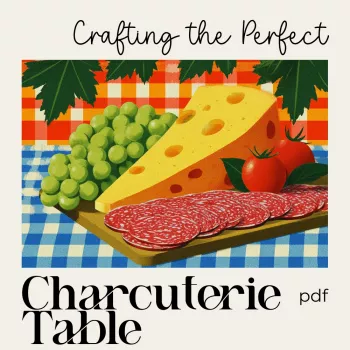
Crafting the Perfect Charcuterie Table: A Practical Guide to Stunning Grazing Tables
A beautiful charcuterie table is equal parts planning, variety, and smart styling. With a simple framework—guest count, balanced flavors, and a repeatable layout—any gathering can have a spread that looks abundant and feels easy to eat. The steps below walk through building a cohesive grazing table, plus a checklist-style workflow that keeps setup calm and efficient.
Start with the plan: guest count, timing, and table size
Before buying anything, decide what role the table plays: pre-dinner snack, light meal, or the main event. A grazing table that replaces dinner needs more protein, bread, and produce than a quick cocktail nibble—especially if the party runs long and guests keep circling back.
Pick a surface that gives people room to reach without bumping elbows. A good rule is to leave a “service lane” for plates, napkins, and a drink zone so guests aren’t balancing wine over soft cheese. If the table is narrow, plan a refill station nearby (a tray in the fridge works) to keep the display looking full.
Prep is where charcuterie becomes easy: wash and dry fruit, slice sturdy veggies, portion nuts, and fold cured meats ahead. Save last-minute items for closer to serving—anything that browns (apples, pears) and cheeses that are best after a short temper at room temperature.
Simple Portion Guide for a Grazing-Style Charcuterie Table
| Item category | Per person (snack) | Per person (light meal) | Notes |
|---|---|---|---|
| Cheese (2–4 types) | 1–2 oz | 2–3 oz | Mix soft, semi-firm, and aged for texture contrast |
| Cured meats (2–3 types) | 1–2 oz | 2–3 oz | Fold/ruffle for volume; slice thin for easy grabbing |
| Crackers/bread | 2–3 oz | 3–4 oz | Offer 2 shapes; add gluten-free if needed |
| Produce (fruit/veg) | 1 cup | 1–1.5 cups | Prioritize sturdy, finger-friendly pieces |
| Dips/spreads | 1–2 Tbsp | 2–3 Tbsp | Include one creamy and one bright/acidic option |
| Nuts/olives/pickles | 1–2 oz | 2–3 oz | Use small bowls to keep brine and crumbs contained |
| Sweet finish | 1 small portion | 1–2 small portions | Chocolate, cookies, or dried fruit for an easy closer |
Build the flavor balance: a simple mix-and-match formula
The easiest way to make a table feel “complete” is to hit a few flavor lanes and repeat them across the board:
- Cheese (2–4 types): one creamy (brie, chèvre), one semi-firm (havarti, gouda), one aged (sharp cheddar, parmesan), and optionally a bold pick (blue or smoked).
- Meats (2–3 types): one mild (prosciutto), one savory (salami), and one spicy or smoky if your group likes heat.
- Freshness + acidity: grapes, berries, citrus segments, pickled onions, cornichons, or marinated artichokes to keep bites from feeling heavy.
- Crunch: crackers, toasted baguette, pretzels, nuts, and crisp vegetables for texture contrast.
- An “easy for all” lane: plain crackers, a mild cheese, and simple fruit so picky eaters can build a plate without hunting.
If you’re adding nuts, keep them in their own small bowls so guests can choose them (and so you can place them away from nut-free zones). For a quick read on nut benefits, see Harvard’s overview at The Nutrition Source.
Choose a styling theme that makes decisions effortless
A theme is less about being fancy and more about reducing choices. Pick a palette and repeat it in fruit, garnishes, and serving pieces. A bright summer table might lean on berries, citrus, and fresh herbs; a cozy, rustic table might focus on figs, grapes, olives, and earthy cheeses.
Layout that always works: anchor, cluster, and fill
A calm setup timeline (so nothing feels rushed)
Food safety and dietary needs without losing the look
Keep an eye on time and temperature. The USDA notes that perishable foods shouldn’t sit in the “Danger Zone” (40°F–140°F) for long; plan to rotate items back to the fridge and replenish in smaller batches for longer events. Reference: USDA Food Safety and Inspection Service. For additional general guidance, see the CDC food safety page.
Make it repeatable with a printable checklist and guide
For a ready-to-use framework, consider the Ultimate Charcuterie Guide, eBook & Styling Checklist (Digital Download)—built for quick shopping, portioning, and a repeatable layout.
If you like checklist-style planning tools for other occasions, these digital downloads are also available: Gucci Shopping Mistakes to Avoid: Buyer’s Checklist and Why People Choose Fendi: The Ultimate Checklist for Understanding Luxury Fashion.
FAQ
How far in advance can a charcuterie table be assembled?
Most components can be prepped the day before (wash/dry produce, portion nuts, slice hard cheeses, fold meats), then assembled 2–3 hours before guests arrive. Wait until the last 30–60 minutes for browning fruit and for unwrapping/tempering soft cheeses, and keep refill items chilled for swapping in as needed.
What cheeses work best for a crowd with different tastes?
A reliable crowd set is one mild creamy cheese (brie or goat), one semi-firm crowd-pleaser (havarti or gouda), and one aged option (sharp cheddar or parmesan), plus an optional bold cheese like blue or smoked. Plan about 1–2 oz per person for a snack spread or 2–3 oz for a light meal, and add honey or jam to make stronger cheeses more approachable.
How much food is needed for a grazing table for 10 people?
For a snack table, plan roughly 10–20 oz cheese, 10–20 oz cured meats, 20–30 oz crackers/bread, and about 10 cups produce, plus small bowls of dips and briny items. For a light-meal table, bump that to about 20–30 oz cheese, 20–30 oz meats, 30–40 oz crackers/bread, and 10–15 cups produce, scaling up for longer parties where guests graze repeatedly.















Leave a comment