How Gen Z and Millennials Really See Gucci in 2026
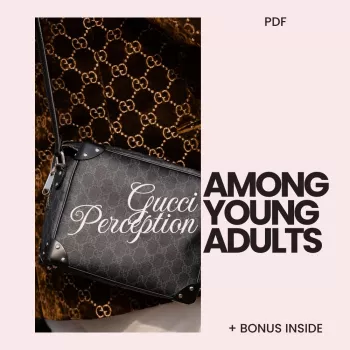
Double-Tap Luxury: How Young Adults See Gucci Today
Gucci’s place in youth culture is shaped as much by feeds and group chats as by runway shows. For many Gen Z and Millennials, the brand signals status, creativity, nostalgia, or skepticism—often all at once—depending on price access, authenticity cues, sustainability expectations, and how the logo travels online. What looks like a simple “want” is often a layered decision: part personal style, part social proof, part resale math, and part values check. For more guidance, see That’s so Gucci: a comparison of cultural values and the … – PMC.
Why Gucci Still Lands in the Scroll
Gucci reads fast on-screen. The house has built a visual vocabulary—monograms, stripes, signature hardware, and maximal styling—that registers in a fraction of a second. That quick-read quality matters on short-form platforms where attention is measured in swipes, not minutes. For further reading, see Research on the Consumer Behavior Characteristics and ….
The brand also stays culturally close even for people who don’t buy it. Celebrity styling, collaborations, and meme-able moments keep Gucci circulating as a reference point. In practice, it becomes a shared language: a way to signal “luxury,” “fashion,” or “that era” without needing a purchase receipt.
For younger audiences, luxury often functions as content. Unboxings, outfit checks, “what I found on resale,” and “how it’s holding up” videos turn ownership into a narrative that can be watched, judged, and saved. That creates a double-tap effect: social validation can amplify desire, but constant repetition can also trigger fatigue when the same logos feel overexposed.
What Gen Z and Millennials Mean When They Say “Gucci”
“Gucci” can mean different things depending on the product, the wearer, and the context. For first-time luxury buyers, it often starts as a status signal: recognizability and peer readability can matter as much as craftsmanship. For others, Gucci is taste signaling—a way to show fashion literacy through archival references, styling risk, or a specific era of creative direction.
It’s also identity play. A single piece can be worn as streetwear punctuation, maximalist expression, or vintage storytelling. At the same time, ambivalence is common: admiration for design can sit right next to concerns about price inflation, exclusivity, and the sense that some items are “too loud” for everyday life.
Common perception cues among young adults
| Cue | What it signals | Typical reaction |
|---|---|---|
| High-logo items | Instant recognizability and status | Fast admiration; sometimes labeled “try-hard” by minimalists |
| Low-logo leather goods | Quiet confidence and perceived taste | Higher respect; “smart buy” framing |
| Vintage/archival pieces | Originality and fashion knowledge | Credibility boost; seen as less trend-chasing |
| Collabs and limited drops | Cultural relevance and scarcity | Excitement; also skepticism about hype cycles |
| Resale purchases | Value-seeking and sustainability intent | Normalized; authenticity concerns remain |
Digital Brand Signals That Shape Trust
For younger shoppers, trust is built in public. Counterfeits and “dupes” make provenance part of the conversation, especially when a piece is heavily branded. Proof—receipts, seller reputation, packaging, and third-party authentication—becomes social proof.
Influencer credibility has also matured. Many viewers now separate “styled” from “transactional” content and notice when an account’s taste changes only when sponsorships arrive. Disclosure, consistency, and specificity (what fits, what scratches, what feels worth it) matter more than glossy visuals alone.
Just as important: comment sections. Peer sentiment can override official messaging quickly—especially around price increases, perceived quality shifts, or controversies. Practical advice culture thrives on platforms and forums, rewarding details like long-term wear, repair experiences, and what actually holds value.
The Price–Value Conversation: Aspiration Meets Reality
Entry points matter. Small leather goods, belts, and sneakers frequently serve as “first luxury” purchases that make the brand feel reachable on a younger budget. But the value calculation isn’t only about materials. Buyers weigh design, durability, resale potential, and emotional payoff against rising prices.
Cost-per-wear logic shows up often: a bag or loafer that becomes a weekly staple can feel justified, while a logo-heavy piece that only “works for photos” can feel like a short-lived splurge. Resale has become a strategy rather than an afterthought—used to reduce risk, access discontinued styles, or rotate into another item without paying full retail each time.
For broader context on how luxury spending patterns shift across generations and regions, market reports like Bain & Company’s luxury insights and McKinsey’s State of Fashion help explain why “worth it” increasingly includes culture, community, and resale dynamics—not just heritage.
Sustainability, Ethics, and the New Luxury Standard
From Hype to Heritage: How Trends Change Gucci’s Image
What This Means for Shoppers, Creators, and Brand Watchers
For shoppers
For creators
For marketers and trend trackers
Recommended Digital Guides (In Stock)
- Double-Tap Luxury: How Young Adults See Gucci Today (Digital Brand Analysis eBook)
- Gucci Shopping Mistakes to Avoid: Buyer’s Checklist
- Why People Buy Balenciaga – Digital Guide, eBook, and Checklist for Fashion Enthusiasts
FAQ
Do Gen Z and Millennials see Gucci as timeless or trendy?
It splits by product type and era: quieter leather goods and heritage-leaning designs tend to read more timeless, while logo-heavy or highly specific silhouettes can feel time-stamped. Styling and the wearer’s overall look can push the same item toward “classic” or “dated.”
Is buying Gucci secondhand common among young adults?
Yes—resale is widely normalized for price access, sustainability motives, and the hunt for rare or discontinued pieces. The trade-offs are authentication risk and condition issues, so reputable marketplaces, proof of purchase, and professional authentication help reduce uncertainty.
What makes Gucci feel authentic online versus “just hype”?
Authenticity tends to come from consistent personal style, clear disclosures, real wear-and-tear details, and balanced pros/cons rather than nonstop unboxings. Community sentiment also matters: when comments echo similar experiences about quality and value, the message feels earned instead of pushed.













Leave a comment